

For millennia, music has been a fundamental part of human culture, serving not only as a form of entertainment but also as a powerful tool for emotional expression and social connection. Recent research underscores the profound influence of music on brain health and cognitive function, going beyond its aesthetic appeal.
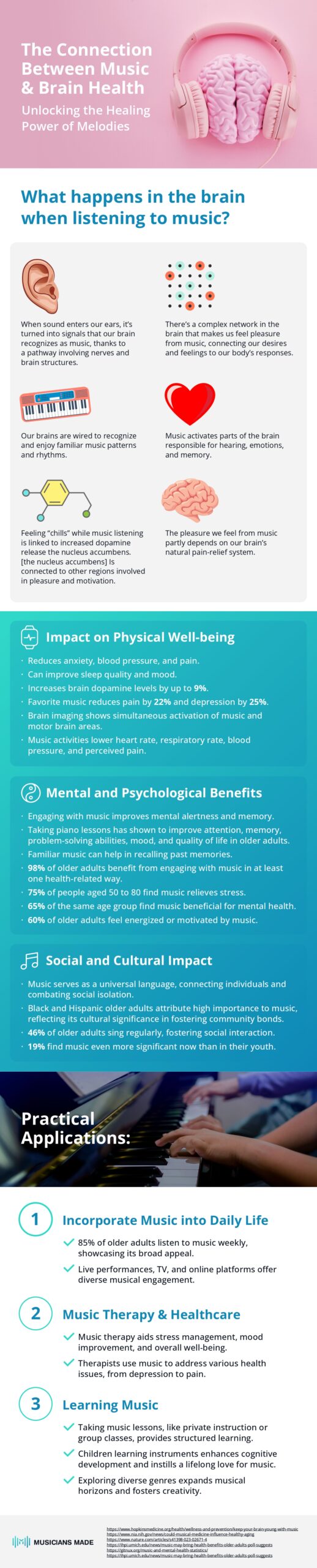
The human brain is intricately connected to music at its core. When we listen to music, complex neural processes are activated. Various brain regions, including those responsible for auditory processing, emotion regulation, memory, and motor control, all engage in response to musical stimuli. This intricate interplay between brain regions underpins our ability to perceive and appreciate music.
One of the most intriguing aspects of the relationship between music and brain health is its effect on cognitive function. Numerous studies have demonstrated that engaging with music, whether through listening, playing instruments, or singing, can positively impact various cognitive abilities. For example, learning to play an instrument, like taking drum lessons in Queen Creek, AZ, has been linked to improvements in attention, memory, problem-solving skills, and overall cognitive function. Even passive listening to music can enhance mental alertness, mood, and memory recall.
Furthermore, music has therapeutic potential in treating neurological conditions such as dementia, Parkinson’s disease, and stroke recovery. Music therapy, a specialized form of treatment that uses music-based interventions to address individual needs, has emerged as a promising approach for improving cognitive function, reducing anxiety, and enhancing the overall quality of life for patients with neurological disorders. Techniques like auditory stimulation, which uses music to stimulate movement in individuals with motor impairments, have shown significant benefits in rehabilitation settings.
In addition to its cognitive benefits, music also plays a crucial role in emotional regulation and mental well-being. Listening to music can evoke a wide range of emotions, from joy and excitement to nostalgia and relaxation. Certain types of music have been found to reduce stress levels, lower blood pressure, and alleviate symptoms of depression and anxiety. Music therapy interventions, conducted by trained professionals, offer individuals a safe space to explore and express their emotions through music, facilitating emotional healing and growth.
Beyond its effects on brain health, music has a profound social and cultural impact. Participating in musical experiences, such as attending concerts, singing in choirs, or engaging in other musical activities, fosters a sense of belonging and community. Music also serves to preserve cultural heritage and traditions, bringing people together across different backgrounds.
In summary, music profoundly impacts brain health and cognitive function. From enhancing cognitive abilities to improving emotional well-being and fostering social connections, music is a powerful and versatile tool that enriches our lives in countless ways.